

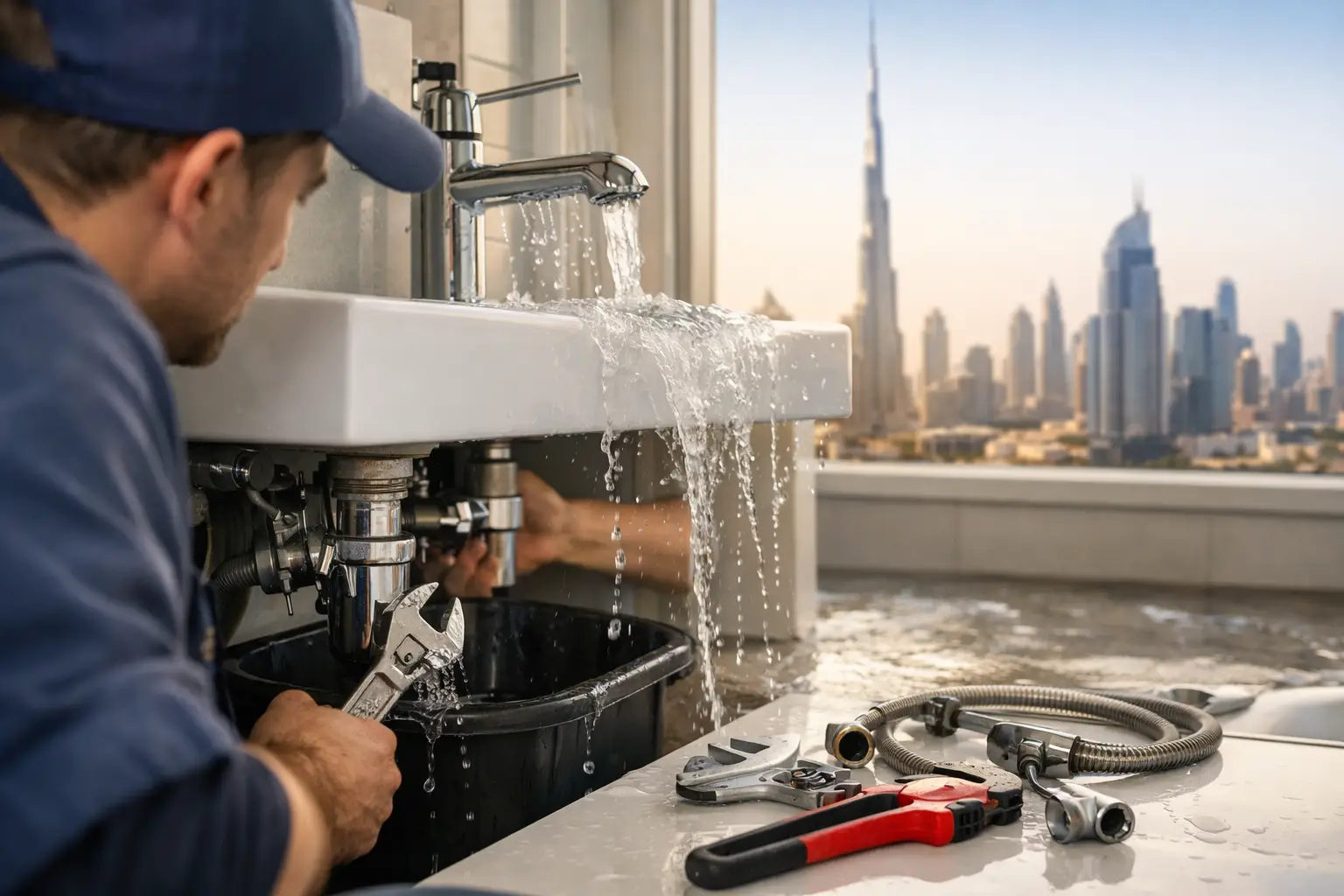
A damp cabinet under the kitchen sink, a toilet that keeps refilling, or a weak shower can quickly become more than a minor inconvenience. In Dubai, plumbing repairs often need prompt attention because hidden leaks, constant AC use, high water pressure, and busy household routines can turn a small fault into water damage, wasted utility costs, or an unhealthy living space.
For homeowners, tenants, landlords, and office managers, the goal is not simply to stop the immediate problem. It is to identify the cause, protect the property, and make sure the repair will last. Knowing what requires emergency support and what can be scheduled helps you act with confidence.
Plumbing Repairs That Should Not Wait
Some plumbing issues can be monitored for a short time. Others need a technician as soon as possible. A burst pipe, overflowing toilet, major ceiling leak, or water flowing near electrical outlets should be treated as urgent. If it is safe to do so, turn off the local isolation valve or the main water supply and keep people away from wet areas near power sources.
A leak from a ceiling deserves immediate attention even when the dripping seems light. Water may be traveling from a bathroom, water heater, pipe joint, AC drain line, or neighboring area before it becomes visible. Waiting can damage paint, gypsum board, flooring, cabinetry, and electrical fittings. In apartments, reporting the issue promptly also helps clarify whether the source is inside your unit or part of a shared building system.
Sewage odors, wastewater backing up through a drain, or repeated toilet overflows also require fast help. These are cleanliness and hygiene concerns, particularly in family homes, restaurants, offices, and rental properties. A quick surface clean is not enough if the drain line remains blocked or the toilet mechanism is faulty.
Common Plumbing Problems in Dubai Properties
Most household plumbing faults start with a familiar symptom, but the underlying cause varies. A dripping faucet may need a worn cartridge, washer, or valve replacement. Low water pressure might be caused by a clogged aerator, a partially closed valve, mineral buildup, a faulty pressure pump, or a broader building supply issue. The right repair depends on proper inspection rather than guessing.
Leaking Faucets, Pipes, and Fixtures
A faucet that drips once every few seconds may seem harmless, but it wastes water over time and can stain sinks or fixtures. Leaks beneath sinks are often caused by loose connections, worn seals, damaged flexible hoses, or cracked drain pipes. These are usually straightforward fixes when found early.
Pipe leaks behind walls or under floors are more serious because they can remain hidden. Warning signs include a musty smell, peeling paint, damp patches, warped flooring, unexplained water use, or a water meter that continues moving when all taps are off. A skilled technician should trace the source before opening walls or replacing pipe sections. This reduces disruption and avoids repairs that treat the symptom while missing the actual leak.
Blocked Drains and Slow Water Flow
Kitchen drains often collect grease, food residue, and soap buildup. Bathroom drains commonly clog with hair, soap, and personal care products. In villas, outdoor drains can also fill with sand, leaves, and debris. Chemical drain cleaners may provide a temporary result, but they can be harsh on older pipes and do not always remove the full blockage.
A professional drain cleaning service can clear the line safely and check whether the issue is local or further down the drainage system. If the same drain blocks repeatedly, there may be a deeper obstruction, poor pipe slope, damaged pipework, or an issue with the main line. Repeated quick fixes can cost more than diagnosing the problem properly the first time.
Running Toilets and Faulty Flush Systems
A toilet that runs after flushing is one of the most common causes of unnecessary water use. The cause may be a worn flapper, a misaligned float, a faulty fill valve, or a flush mechanism that needs adjustment. Toilets that flush weakly, leak around the base, or make unusual sounds should also be checked before the fault worsens.
For landlords and property managers, toilet repairs should be handled promptly between tenancies or at the first tenant report. A bathroom that does not function reliably can lead to complaints, moisture damage, and avoidable emergency callouts.
Water Heater Problems
No hot water, inconsistent temperature, rusty water, pressure relief valve leaks, or strange sounds from a water heater all need professional assessment. Water heaters combine water, pressure, and electricity, so repairs should not be treated as a casual DIY task. In Dubai homes, a faulty heater can also leak slowly into ceiling spaces or utility cabinets before anyone notices.
A technician can inspect the heating element, thermostat, valves, electrical connections, and tank condition. In some cases, a repair is sensible. If the tank is corroded or the unit has reached the end of its service life, replacement may be the safer and more cost-effective option.
Why Small Leaks Become Expensive
Water follows the easiest path, which is why the visible stain is not always directly below the leak. A loose bathroom fitting can send water into a wall cavity. A failed seal around a shower tray can affect adjacent rooms. A slow leak inside a vanity can damage cabinets long before it reaches the floor.
There is also the cost of wasted water. A continuously running toilet or unnoticed pipe leak can increase monthly usage without an obvious change in daily habits. For commercial properties, the financial impact can be greater because one restroom or pantry issue may affect staff, visitors, and normal operations.
Fast repairs protect more than surfaces. They help prevent mold-related odors, preserve finishes, reduce disruption, and maintain a clean, comfortable environment for occupants.
When to Repair and When to Replace
Repair is often the right choice for isolated issues: a worn faucet cartridge, leaking angle valve, damaged hose, blocked trap, or faulty toilet fill valve. These components can usually be replaced without major work when the rest of the system is in good condition.
Replacement becomes more practical when fixtures are repeatedly failing, pipes are heavily corroded, the water heater is aging and leaking, or repair costs are approaching the value of a new unit. For rental properties, replacing an unreliable fixture can be preferable to repeated tenant callouts and unplanned maintenance visits.
A clear assessment should explain the fault, the work required, available options, and expected costs before the repair begins. Transparent pricing matters because plumbing problems can feel urgent, and customers should never feel pressured into work they do not understand.
How Preventive Maintenance Reduces Emergency Calls
Not every plumbing issue is preventable, but regular checks catch many problems before they become disruptive. Inspect under-sink cabinets occasionally for moisture, avoid pouring oil or heavy food waste into kitchen drains, and address slow drainage before it turns into a complete blockage. If you notice fluctuating water pressure, discolored water, or recurring odors, arrange an inspection rather than waiting for a breakdown.
Property owners with multiple units benefit from planned maintenance because it creates a record of repairs and helps identify repeat faults. An annual maintenance plan can also make it easier to coordinate plumbing, electrical, AC, and handyman work through one accountable provider instead of managing separate contractors for every issue.
Home Mighty Fixers provides skilled plumbing support alongside broader property maintenance services, helping Dubai residents and businesses address urgent faults as well as routine upkeep with dependable scheduling and clear communication.
What to Expect From a Professional Plumbing Visit
A good plumbing service begins with questions about the symptom, when it started, and whether it has happened before. The technician should inspect the affected fixture and surrounding areas, identify the likely cause, and explain the recommended repair in practical terms.
For hidden leaks or recurring drainage problems, the visit may require additional testing or access to nearby fixtures. This can feel inconvenient, but careful diagnosis is usually preferable to replacing parts without evidence. After the repair, the technician should test water flow, drainage, seals, and connections, then leave the work area clean.
If a leak, blockage, or faulty fixture is disrupting your home or workplace, acting early gives you more repair options and less damage to manage. A reliable plumbing professional can turn a stressful property issue into a controlled, properly finished repair.
Leave a Reply